Understanding The Difference Between Random And Fixed Rewards
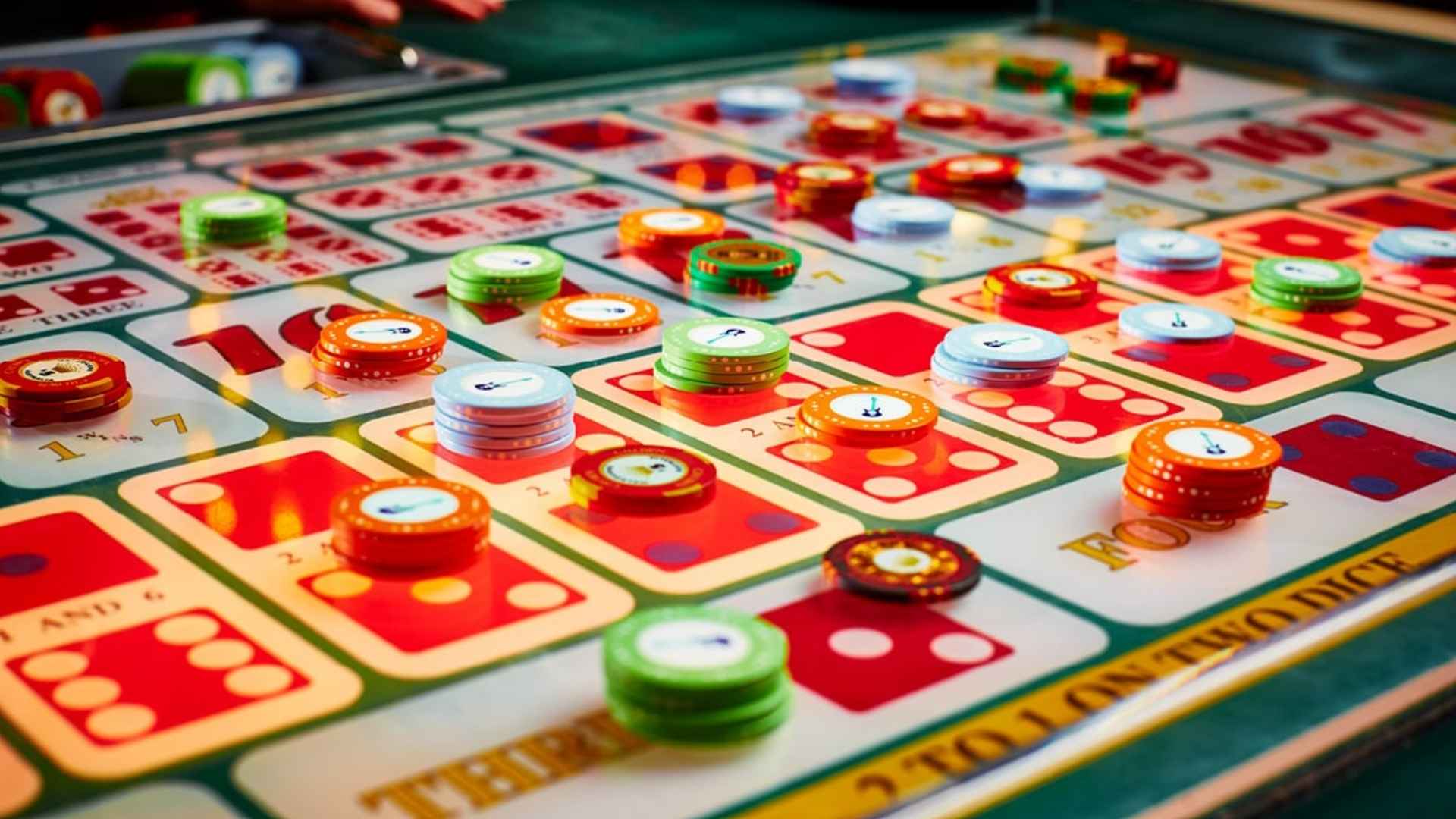
Modern loyalty programs and digital entertainment platforms use various mechanisms to keep users engaged over time. Two of the most common approaches involve structural incentives known as random and fixed rewards. Understanding how these two distinct systems operate can help businesses optimize their engagement strategies and help consumers maximize their online experiences.
The Predictable Nature of Fixed Incentives
Fixed incentives operate on a clear and transparent structure where the outcome is predetermined. Participants know exactly what action is required and what specific benefit they will receive upon completing that task. This transparency builds long-term trust and provides a reliable roadmap for user progression.
For instance, milestone bonuses or structured promotional systems offer a clear path forward for continuous interaction. Platforms often implement these models via specific promotions, such as using a 红利代码 m88, to guarantee a precise value for the user. This predictability ensures that participants feel their time and effort are directly respected and fairly compensated.
The Psychological Appeal of Random Distribution
In contrast, random structures introduce an element of surprise and variable reinforcement into the ecosystem. Because the timing or value of the incentive remains unknown, it creates a heightened state of anticipation and emotional investment. Behavioral science shows that surprise elements can be significantly more memorable than expected outcomes.
This methodology is frequently observed in surprise drops, mystery boxes, and sudden community giveaways. The excitement of the unknown keeps the interaction feeling fresh and dynamic, preventing routine fatigue. When balanced correctly, it transforms standard digital milestones into thrilling highlights for the participant.
Balancing Both Systems for Sustained Engagement
While both frameworks possess distinct advantages, the most successful digital ecosystems often combine them into a single cohesive strategy. Fixed systems lay down a reliable foundation of trust, giving users a strong reason to stay loyal over an extended period. Meanwhile, random occurrences provide the necessary bursts of excitement that keep the community active and vocal.
Finding the perfect equilibrium depends heavily on the specific goals of the digital platform and the preferences of its target audience. Providing a transparent baseline alongside occasional unexpected bonuses ensures a comprehensive user experience. Ultimately, analyzing how these mechanics differ allows for a much smarter approach to interactive design.