Random Rewards in Competitive Gaming
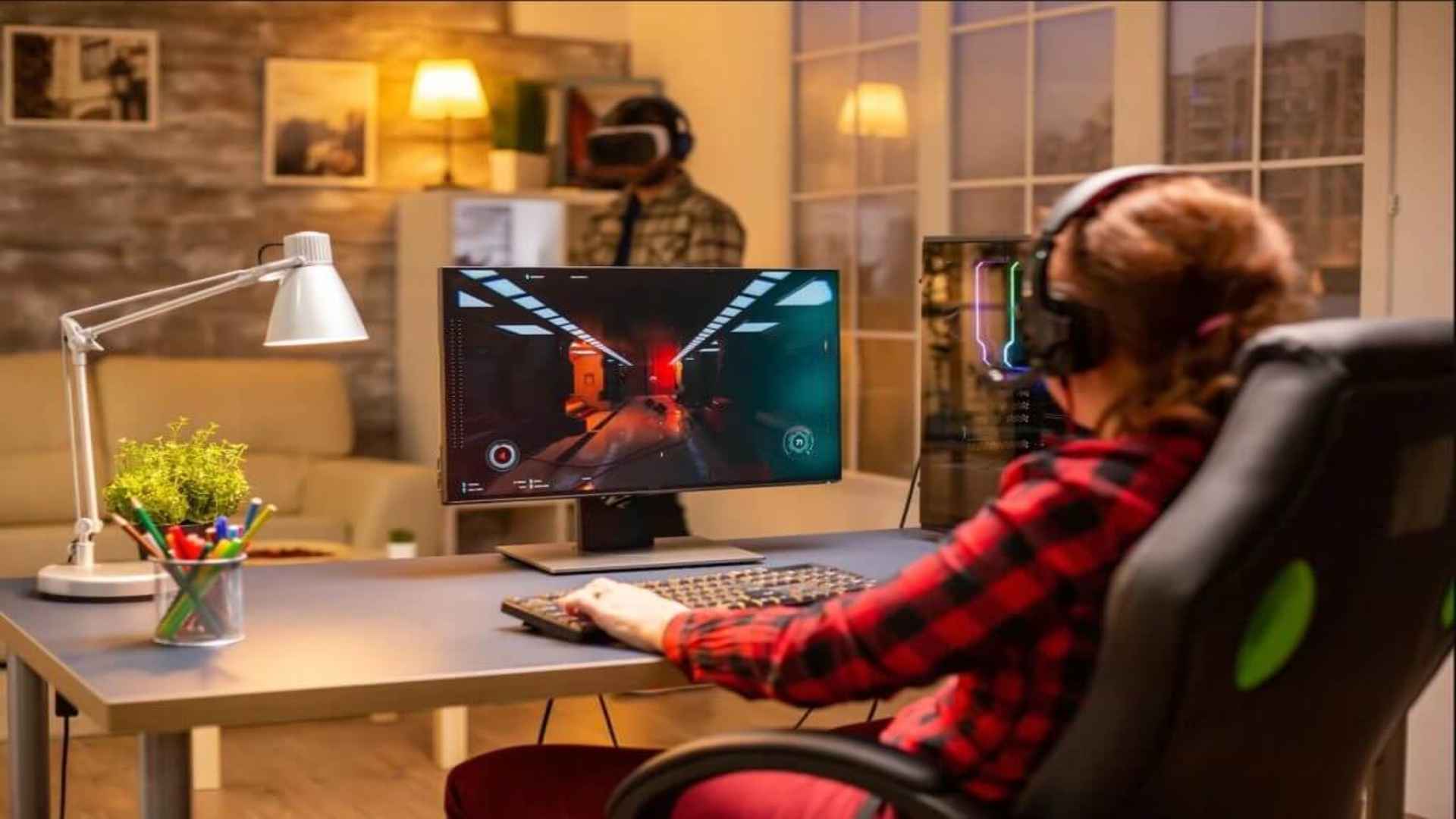
Competitive gaming has evolved significantly over the past decade, transforming from a casual pastime into a multi-million dollar global esports industry. Within this ecosystem, developers have introduced various mechanics to maintain high levels of engagement and excitement among players. One of the most discussed features is the implementation of chance-based loot systems, which introduce unpredictable elements into highly strategic gameplay. Balancing pure player skill with elements of randomness has become a central challenge for modern game designers looking to keep their titles fresh.
The Balance Between Skill and Randomness
In high-stakes competitive environments, players dedicate thousands of hours to mastering precise mechanics, map awareness, and team coordination. When an unpredictable element determines the outcome of a match or the availability of crucial equipment, it often triggers intense debate within the esports community. Proponents argue that occasional variation tests a competitor's adaptability under sudden changes, forcing dynamic strategies rather than rote memorization. However, critics maintain that pure skill should remain the sole determining factor in professional tournaments to ensure absolute competitive integrity.To address these concerns, many modern developers separate cosmetic chance mechanics from functional, gameplay-altering elements. This means players can earn unpredictable visual upgrades, weapon skins, and character emotes without affecting the core balance of the competitive field. For those interested in exploring different platforms that offer diverse digital entertainment and unpredictable rewards, checking out a reliable m88 asia login provides insights into secure modern gaming platforms. Maintaining this separation allows casual audiences to enjoy the thrill of surprise drops while professional athletes compete on a completely level playing field.
Psychological Impacts on Competitive Players
The neurobiology behind unexpected rewards is well-documented, showing that the anticipation of a potential prize triggers a significant release of dopamine in the brain. In esports, this anticipation keeps players queued up for consecutive matches, striving to secure rare tier ranks or seasonal loot crates. This cycle of engagement helps build long-term retention, transforming a standard gaming session into a highly engaging ritual. However, developers must monitor these systems to ensure they remain rewarding rather than creating unnecessary fatigue among active participants.When competitive grinds become overly reliant on unpredictable drop rates for cosmetic status symbols, player satisfaction can diminish rapidly. Transparent probability rates have become an industry standard, giving gamers clarity on their exact chances of obtaining a specific item. This transparency fosters a healthy community ecosystem where players feel valued rather than manipulated by hidden algorithms. Ultimately, sustainable player retention relies on combining satisfying mechanical progression with fair, open distribution methods.
The Future of Random Elements in Esports
As live-service video games continue to dominate the market, the design choices surrounding in-game drops will continue to adapt to player expectations. Future competitive titles are expected to implement smarter, adaptive systems that recognize individual player efforts and reward them accordingly. This ensures that even when chance is involved, a player's dedication and overall time investment are respected by the system. Striking this perfect harmony will remain a priority for developers wishing to secure a loyal and active competitive community.