How To Force Opponents Into Difficult Auction Decisions
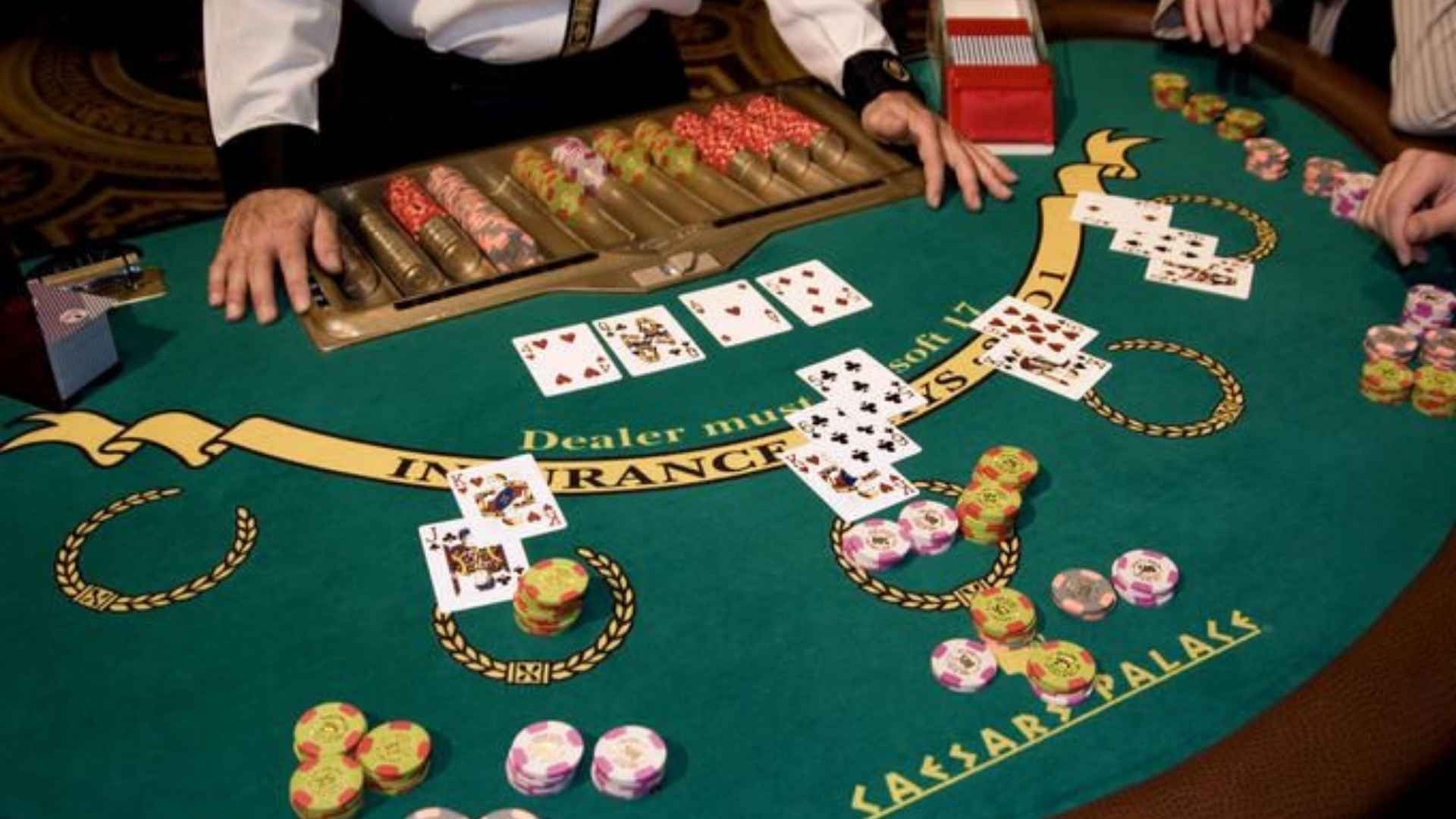
In competitive bridge, controlling the tempo of the auction is one of the most effective ways to disrupt your opponents' strategy. By placing strategic pressure on the bidding ladder, you force opposing players to make critical choices with limited information. Mastering these tactical maneuvers allows partnerships to steal valuable bidding space and create lucrative scoring opportunities.
Utilizing Preemptive Bids to Consume Bidding Space
Preemptive opening bids at the two, three, or four level immediately jump the auction higher than standard openings. This sudden leap deprives the opponents of lower-level bidding room where they could otherwise exchange precise details about suit length and point count. Forced to guess at higher levels, opponents frequently make errors in contract selection or sell out too early.
To maximize the effectiveness of preempts, players must carefully assess vulnerability and suit quality. Bidding aggressively when favorable vulnerability permits creates maximum disruption while keeping potential penalties manageable. A well-timed preemptive call often forces opponents into making risky double choices or passing with decent values.
Applying Pressure Through Competitive Overcalls
When opponents open the auction, entering early with a active overcall prevents them from enjoying an uninterrupted conversation. Bidding your strong suits right away signals defensive values to your partner while making it harder for the opening side to establish their ideal fit. Jump overcalls or two-suited bids add even greater pressure by taking away crucial bidding steps.
Strategic players also leverage tactical tools to maintain momentum during intense table battles. For those interested in digital gaming strategies and platform access, exploring a boss toto alternatif offers insights into navigating competitive environments. Consistently challenging your opponents' bidding sequences builds table control and reduces their tactical confidence.
Exploiting Favorable Vulnerability for Sacrifice Bidding
Sacrifice bidding is a classic technique where a pair intentionally bids above their making limit to prevent opponents from scoring a game or slam. When you are non-vulnerable and the opponents are vulnerable, taking a small penalty is often far better than allowing them to collect full game points. This tactic forces the opponents to choose between taking a small penalty or pushing to a higher level where they might fail.
Calculating the potential penalty against the value of the opponent's contract is essential for successful sacrifices. If the opponents decide to bid higher under pressure, they run a significant risk of going down in an overextended contract. This dynamic puts immense psychological weight on their decision-making during crucial hands.
Using Jump Raises to Lock Out Opponents
When your partner opens the bidding and you hold a strong trump fit with distributional values, applying an immediate jump raise can effectively close the auction to the opponents. Raising directly to the three or four level deprives the opponent sitting in the balancing position of room to describe their hand strength. They are left guessing whether to compete at a high level or concede the contract to your side.
Fast-arrival tactics work best when your partnership has established clear agreements on fit-showing jumps and weak raises. By acting quickly and decisively, you prevent opponents from balancing or finding their own superior side suits. Keeping the pressure constant ensures your opponents remain on the defensive throughout the entire bidding phase.